



Adrenergic Receptor
Beta Receptor
Adrenergic receptors are a class of G protein-coupled receptors that are targets of the catecholamines, especially norepinephrine and epinephrine. Many cells possess these receptors, and the binding of a catecholamine to the receptor will generally stimulate the sympathetic nervous system. The sympathetic nervous system is responsible for the fight-or-flight response, which includes widening the pupils of the eye, mobilizing energy, and diverting blood flow from non-essential organs to skeletal muscle. There are two main groups of adrenergic receptors, α and β, with several subtypes. α receptors have the subtypes α1 and α2. β receptors have the subtypes β1, β2 and β3. All three are linked to Gs proteins, which in turn are linked to adenylate cyclase. Agonist binding thus causes a rise in the intracellular concentration of the second messenger cAMP. Downstream effectors of cAMP include cAMP-dependent protein kinase (PKA), which mediates some of the intracellular events following hormone binding.
Adrenergic Receptor Isoform Specific Products
All Product Categories
-
Adrenergic Receptor Inhibitors
(267)
View all products
-
Adrenergic Receptor Agonists
(502)
View all products
-
Adrenergic Receptor Antagonists
(545)
View all products
-
Adrenergic Receptor Activators
(45)
View all products
-
Adrenergic Receptor Modulators
(19)
View all products
-
Adrenergic Receptor Degrader
(1)
View all products
-
Adrenergic Receptor Controls
(8)
View all products
-
Adrenergic Receptor Substrates
(3)
View all products
-
Adrenergic Receptor Ligands
(17)
View all products
-
Adrenergic Receptor Related Products (1622)
Related Products (1622)

-
Antibodies (4)
-
Adrenergic Receptor Isoform Comparison
-
Silodosin
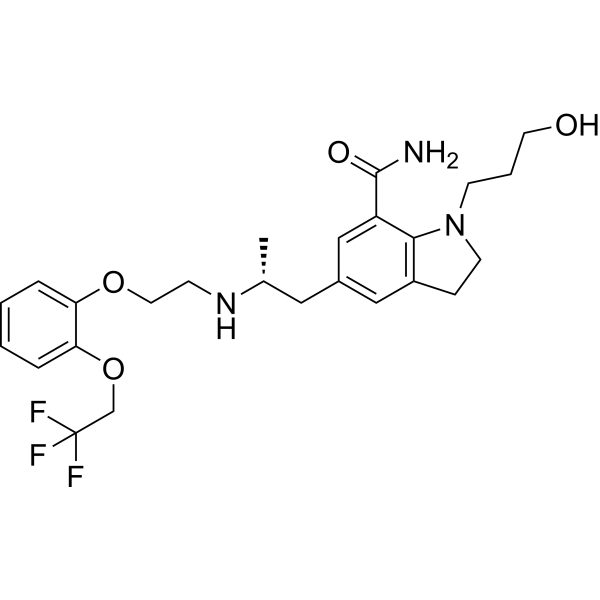 0 ImagesSynonyms: KAD 3213; KMD 3213Silodosin (KAD 3213; KMD 3213) is a potent, selective and orally active α1A-adrenergic receptor (α1A-AR) blocker. Silodosin exhibits high affinity for α1A-AR (Ki=0.036 nM), over 162-fold and 50-fold than for α1B-AR and α1D-AR with Ki values of 21 nM and 2.0 nM, respectively. Silodosin is an effective and well-tolerated agent, it can be used for the investigation of LUTS/BPH.
-
Trifluoperazine dihydrochloride
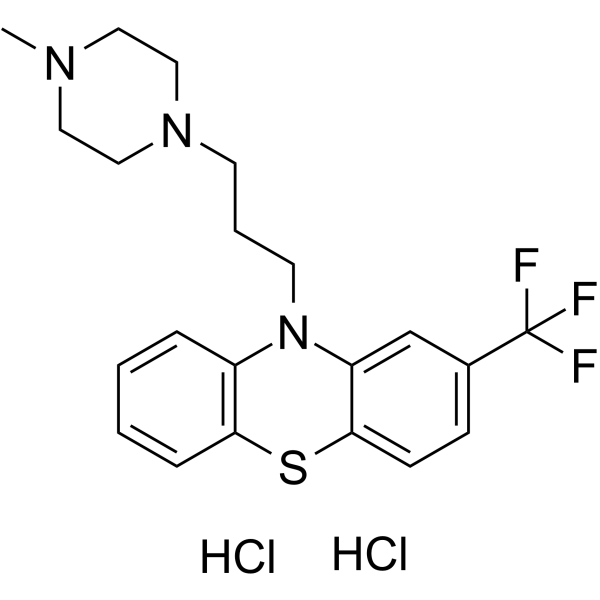 0 ImagesTrifluoperazine dihydrochloride, an antipsychotic agent, acts by blocking central dopamine receptors. Trifluoperazine dihydrochloride is a potent α1-adrenergic receptor antagonist. Trifluoperazine dihydrochloride is a potent NUPR1 inhibitor exerting anticancer activity. Trifluoperazine dihydrochloride is a calmodulin inhibitor, and also inhibits P-glycoprotein. Trifluoperazine dihydrochloride can be used for the research of schizophrenia. Trifluoperazine dihydrochloride acts as a reversible inhibitor of influenza virus morphogenesis.
-
Amitriptyline
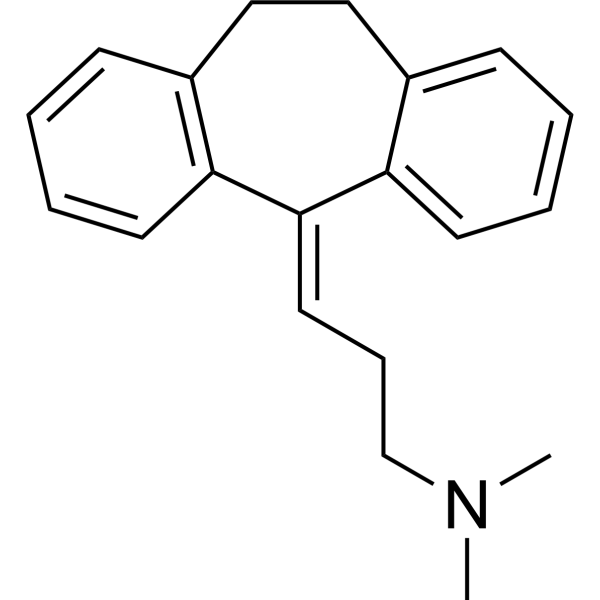 0 ImagesAmitriptyline is an orally active tricyclic antidepressant (TCA). Amitriptyline mainly exerts its antidepressant effect by blocking SERT (Ki = 3.45 nM) and NET (Ki = 13.3 nM), thereby increasing the concentrations of 5-hydroxytryptamine (5-HT) and norepinephrine (NE) in the synaptic cleft. Amitriptyline is also an agonist at α2A and TrkA/TrkB receptors, thereby exerting analgesic and neurotrophic activities (inhibiting cell apoptosis). Amitriptyline can reduce inflammation, angiogenesis and fibrosis. Amitriptyline binds to DAT (with Ki = 2.58 μM). Amitriptyline has high affinity for a series of receptors and can antagonize muscarinic cholinergic receptors (M1/M2/M3/M4/M5 receptors) (Ki = 11-24 nM), H1 receptors (Ki = 0.5-1.1 nM), adrenergic α1 receptors (Ki = 4.4 nM), etc., resulting in a series of side effects. Amitriptyline can block sodium channels and hERG potassium channel (IC50 = 4.78 μM) and it has cardiotoxicity.
-
Phenylacetylglycine
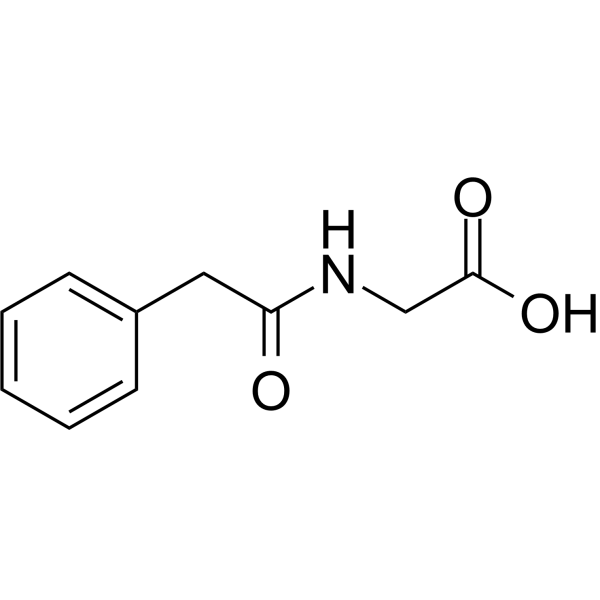 0 ImagesPhenylacetylglycine is a gut microbial metabolite that can activate β2AR. Phenylacetylglycine protects against cardiac injury caused by ischemia/reperfusion.
-
Pindolol
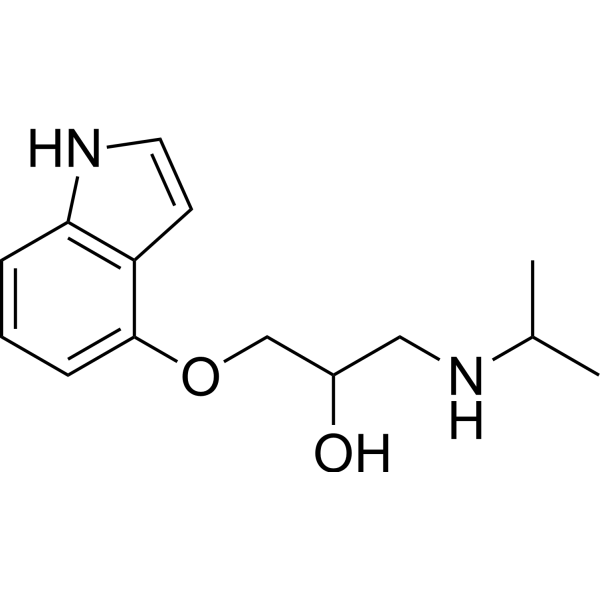 0 ImagesSynonyms: LB-46Pindolol (LB-46) is the antagonist for 5-HT 1A (Ki=33 nM) and 5-HT 1B. Pindolol is the antagonist for β1/β2-adrenergic receptor. Pindolol exhibits anti-anxiety and antidepressant effects.
-
Labetalol hydrochloride
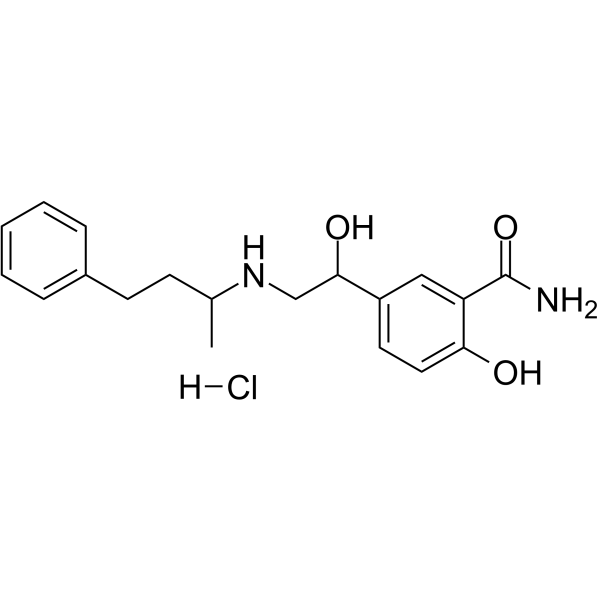 0 ImagesSynonyms: AH-5158 hydrochloride; Sch-15719WLabetalol (AH5158) hydrochloride is an orally available, selective α1-adrenergic recepto and non-selective β-adrenergic receptor competitive antagonist. Labetalol hydrochloride is an antihypertensive molecule that partially crosses the blood-brain barrier and has little effect on cardiac output. Labetalol hydrochloride can be used in the study of cardiovascular diseases, such as hypertension during pregnancy.
-
Atipamezole
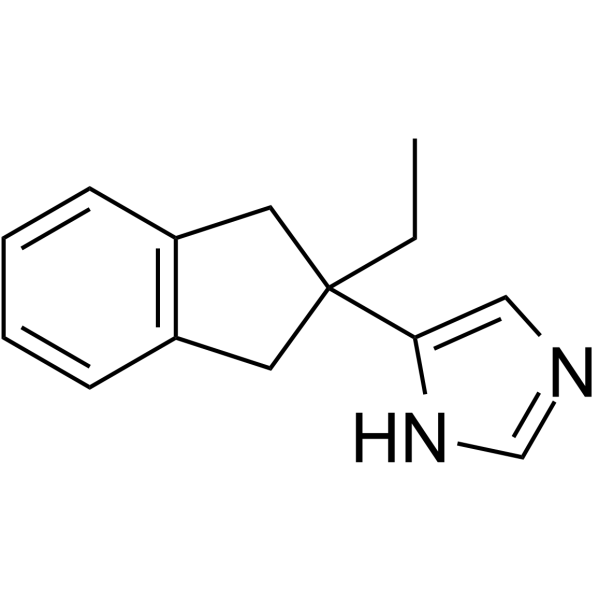 0 ImagesSynonyms: MPV 1248Atipamezole (MPV 1248) is a potent α2-adrenoceptor antagonist with a Ki of 1.6 nM.
-
Metoprolol tartrate
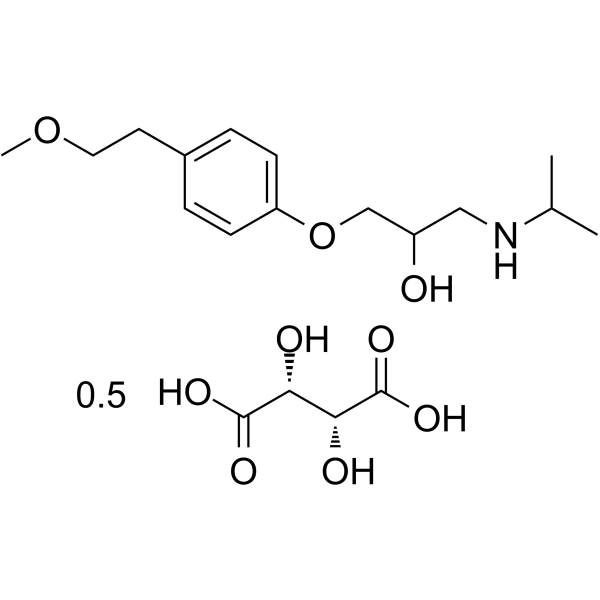 0 ImagesMetoprolol tartrate is an orally active, selective β1-adrenoceptor antagonist. Metoprolol tartrate shows anti-inflammation, antitumor and anti-angiogenic properties.
-
Ritanserin
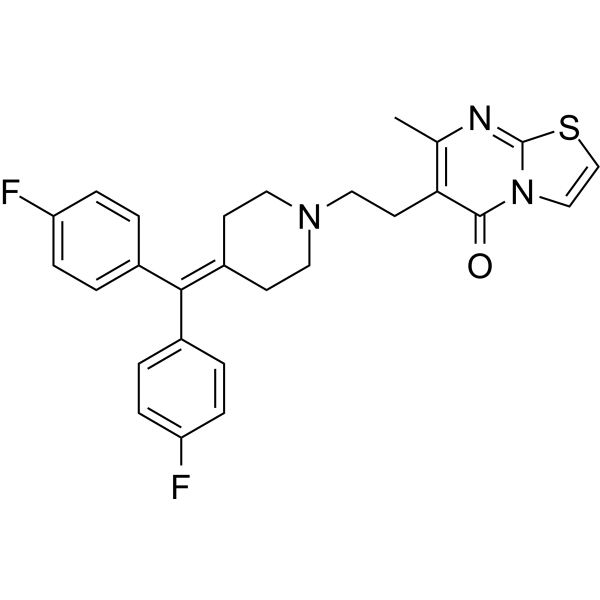 0 ImagesSynonyms: R 55667Ritanserin (R 55667) is a highly potent, relatively selective, orally active, long acting antagonist of 5-HT2 receptor, with an IC50 of 0.9 nM, less active on Histamine H1, Dopamine D2, Adrenergic α1, Adrenergic α2 receptors.
-
Amitriptyline hydrochloride
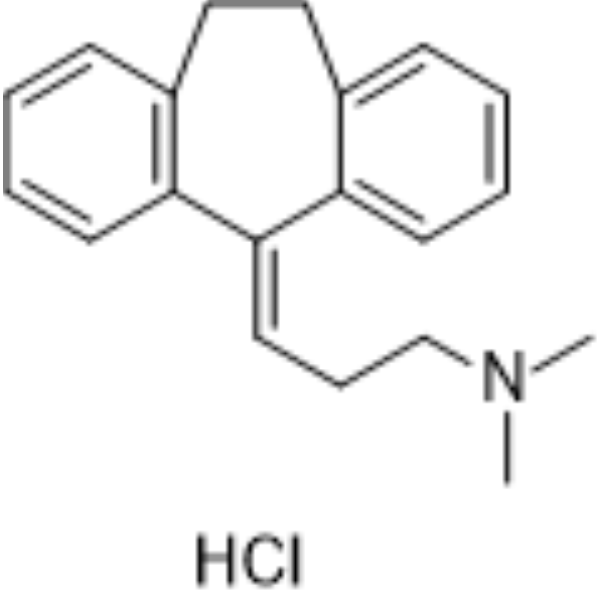 0 ImagesAmitriptyline hydrochloride is an orally active tricyclic antidepressant (TCA). Amitriptyline hydrochloride mainly exerts its antidepressant effect by blocking SERT (Ki = 3.45 nM) and NET (Ki = 13.3 nM), thereby increasing the concentrations of 5-hydroxytryptamine (5-HT) and norepinephrine (NE) in the synaptic cleft. Amitriptyline hydrochloride is also an agonist at α2A and TrkA/TrkB receptors, thereby exerting analgesic and neurotrophic activities (inhibiting cell apoptosis). Amitriptyline hydrochloride can reduce inflammation, angiogenesis and fibrosis. Amitriptyline hydrochloride binds to DAT (with Ki = 2.58 μM). Amitriptyline hydrochloride has high affinity for a series of receptors and can antagonize muscarinic cholinergic receptors (M1/M2/M3/M4/M5 receptors) (Ki = 11-24 nM), H1 receptors (Ki = 0.5-1.1 nM), adrenergic α1 receptors (Ki = 4.4 nM), etc., resulting in a series of side effects. Amitriptyline hydrochloride can block sodium channels and hERG potassium channel (IC50 = 4.78 μM) and it has cardiotoxicity.
-
Guanfacine hydrochloride
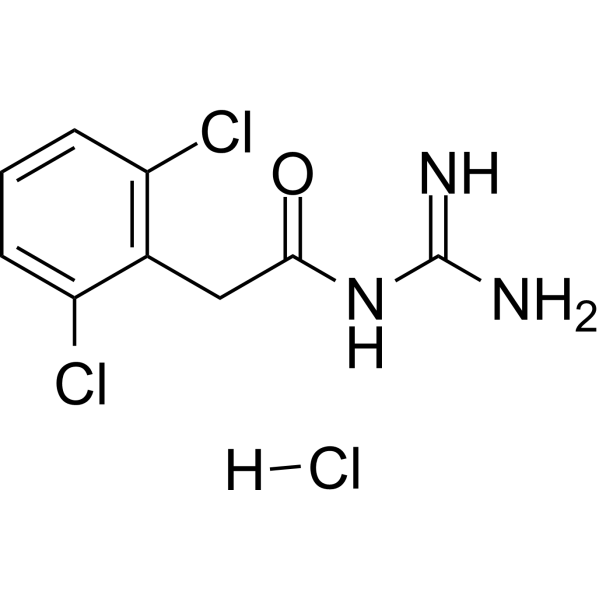 0 ImagesGuanfacine hydrochloride is an orally active and blood-brain barrier permeability noradrenergic α2A agonist and has high selective for the α2A receptor subtype. Guanfacine has effects in producing hypotension and sedation. Guanfacine can be used for the research of a variety of prefrontal cortex (PFC) cognitive disorders, including tourette's syndrome and attention deficit hyperactivity disorder (ADHD).
-
Atipamezole hydrochloride
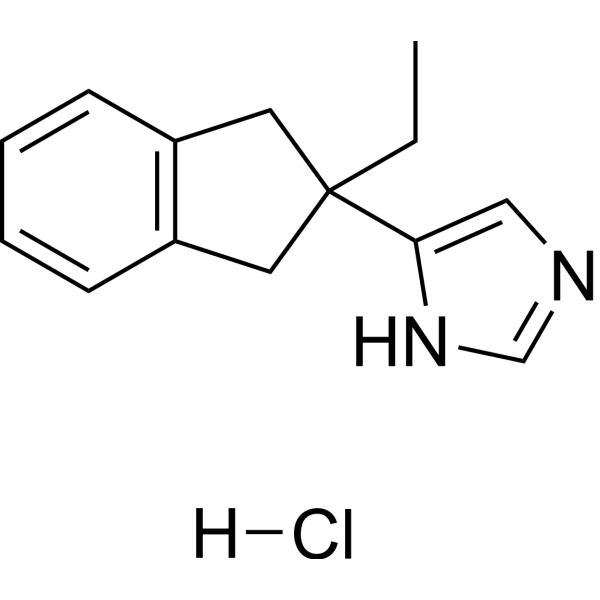 0 ImagesSynonyms: MPV-1248 hydrochlorideAtipamezole (MPV-1248) hydrochloride is a potent α2-adrenoceptor antagonist with a Ki of 1.6 nM.
-
Mirtazapine
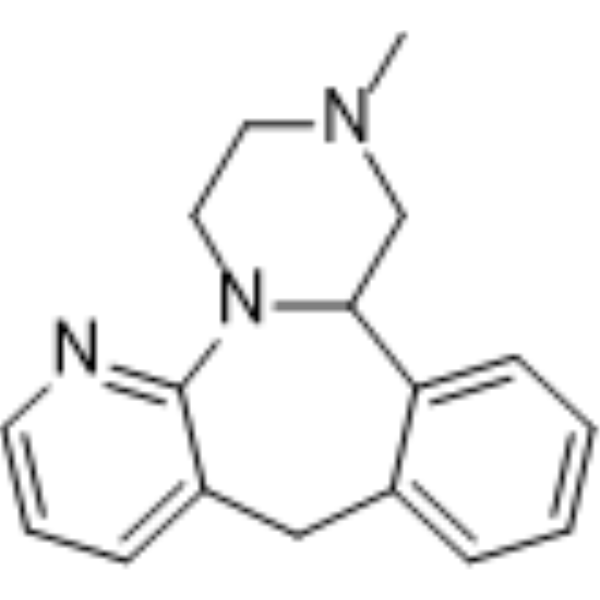 0 ImagesSynonyms: Org3770; 6-AzamianserinMirtazapine (Org3770) is a potent and orally active noradrenergic and specific serotonergic antidepressant (NaSSA) agent. Mirtazapine is also a 5-HT2, 5-HT3, histamine H1 receptor and α2-adrenoceptor antagonist with pKi values of 8.05, 8.1, 9.3 and 6.95, respectively.
-
L748337
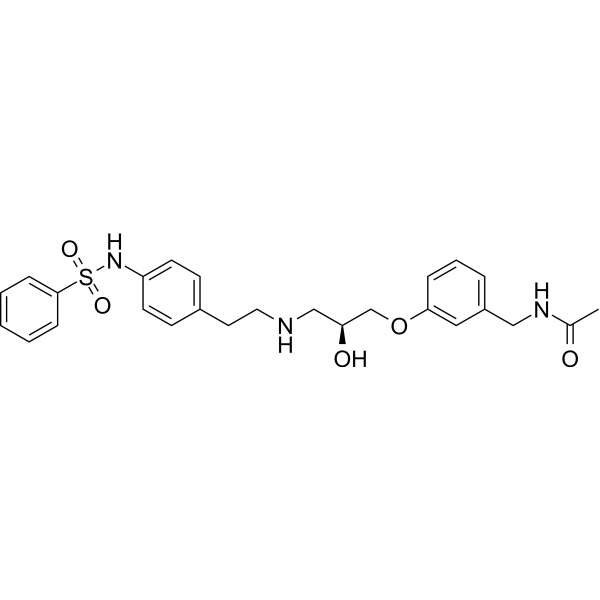 0 ImagesL748337 is a potent β3-adrenergic receptor antagonist and displays selectivity over β1 and β2 receptors. The Ki values of L748337 for β3-, β2- and β1-adrenoceptors are 4.0 nM, 204 nM and 390 nM, respectively. L748337 couples predominantly to Gi to activate MAPK signaling and increases phosphorylation of Erk1/2 with pEC50 value of 11.6. L748337 can be used for the research of cancer, nonalcoholic fatty liver disease (NAFLD), and cardiovascular related diseases.
-
Tamsulosin
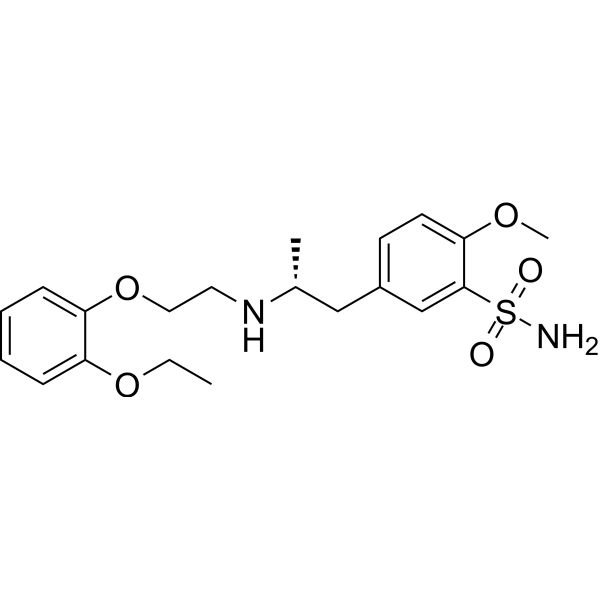 0 ImagesSynonyms: (R)-(-)-YM12617 free base; LY253351 free baseTamsulosin ((R)-(-)-YM12617 free base) is an orally active antagonist of α1-adrenergic receptor. Tamsulosin induces Apoptosis. Tamsulosin is used for the research of prostatic hyperplasia. Tamsulosin attenuates abdominal aortic aneurysm growth and inhibits inflammation in animal models.
-
Higenamine
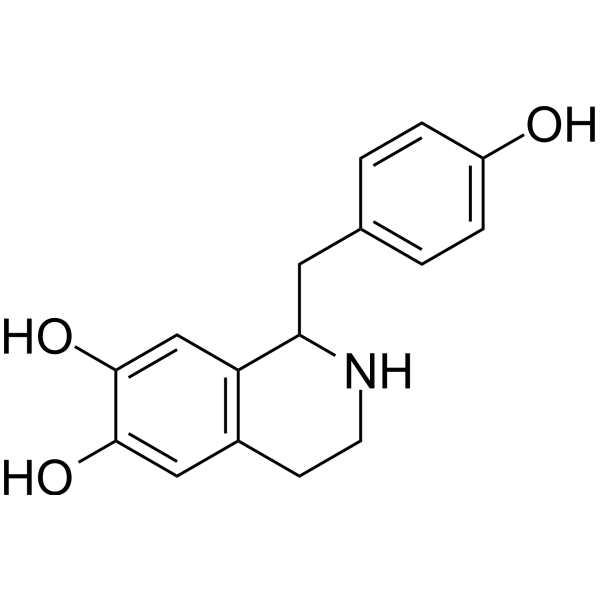 0 ImagesHigenamine (Norcoclaurine), a β2-AR agonist with antioxidant capability, is a key component of the Chinese herb aconite root that prescribes for treating symptoms of heart failure in the oriental Asian countries. Higenamine is also a α1-adrenergic receptor antagonist with hypotensive effect. is a selective LSD1 inhibitor (IC50=1.47 μM) that can be isolated from aconite. Higenamine hydrochloride has anti-inflammatory and antibacterial activity. Higenamine protects myocyte Apoptosis and ischemia/reperfusion (I/R) injury through selective activation of beta2-adrenergic receptor (β2-AR). Higenamine also reduces I/R-induced myocardial infarction in mice. Higenamine can attenuate IL-1β-induced Apoptosis through ROS-mediated PI3K/Akt signaling pathway. Higenamine protects brain cells from oxygen deprivation. Higenamine can promote bone formation in osteoporosis through the SMAD2/3 pathway. Higenamine can be used to study cancer, inflammation, cardiorenal syndrome and other diseases.




